
Armigerio ženklas. Mėlyname lauke – sidabrinis ševronas (pranc. chevron – gegnė). Autorius: Paulius Vaniuchinas.
Armiger's Insignia. A silver chevron displayed on a blue field. Designed by Paulius Vaniuchinas.
Tarptautinė armigerių asociacija (TAA)
International Association of Armigers (IAA)
Armigeriai
Žodis arma lotynų kalba reiškia „ginklus“ arba „herbus“, o armiger – „herbo nešiotoją“ arba „ginklanešį“. Heraldikoje armigeriu vadinamas asmuo, giminė, organizacija ar kita institucija, turinti teisę naudoti herbą paveldėjimo, suteikimo, registravimo ar kitais teisėtais pagrindais.
Tarptautinė armigerių asociacija (TAA, angl. International Association of Armigers, IAA) vienija armigerius, heraldikos, genealogijos, veksilologijos ir kultūros paveldo puoselėtojus iš įvairių pasaulio valstybių.
Nuo 2024 m. Lietuvoje organizuojami tarptautiniai armigerių sambūriai, o asociacijos veikloje dalyvauja nariai iš Europos, Šiaurės Amerikos ir Afrikos. Tarptautinės armigerių asociacijos ir Lietuvos armigerių ložės veiklą koordinuoja Paulius Vaniuchinas.
Išsamesnė informacija pateikiama anglų kalba.
INTERNATIONAL ASSOCIATION OF ARMIGERS (IAA)
Armigers
What is an Armiger?
The term armiger originates from Latin and means a “bearer of arms.” In heraldry, an armiger is a person, family, organization, or institution entitled to bear a coat of arms by inheritance, grant, registration, confirmation, or other recognized heraldic traditions.
A coat of arms is one of the oldest symbols of personal, familial, institutional, or communal identity. It reflects history, values, origins, achievements, and continuity. Today, armigers form an important part of the international heraldic community, preserving historical traditions, cultural heritage, genealogical research, and the art of heraldry.
Heraldry, Genealogy and Vexillology
Heraldry is both a historical discipline and an art devoted to the study of coats of arms, their origins, development, symbolism, and use. Heraldic emblems emerged in Europe during the twelfth century as identifying marks of knights and noble families. Later, they were adopted by cities, ecclesiastical institutions, universities, organizations, and states.
Genealogy studies the origins and historical development of individuals, families, and communities, while vexillology is the study of flags, their history, symbolism, and usage.
Together, these disciplines contribute to a deeper understanding of identity, historical memory, traditions, and cultural heritage.
International Association of Armigers
The International Association of Armigers (IAA) brings together armigers, heraldists, genealogists, vexillologists, historians, and individuals interested in cultural heritage from various countries around the world.
The Association includes members from Europe, North America, and Africa. It unites representatives of different heraldic traditions and promotes scholarly cooperation, cultural dialogue, and international friendship.
Since 2024, the activities of the International Association of Armigers and the Lithuanian Lodge of Armigers have been coordinated by Paulius Vaniuchinas.
The objectives of the Association are:
to preserve heraldic, genealogical, and vexillological traditions;
to encourage research and scholarly exchange;
to unite armigers internationally;
to promote cooperation among heraldic organizations worldwide;
to preserve and promote cultural heritage;
to contribute to the preservation of historical memory for future generations.
The International Association of Armigers respects the heraldic, genealogical, and vexillological traditions, legal systems, and competent authorities of every country.
The International Association of Armigers does not grant, confirm, or register coats of arms. The Association serves as a forum for armigers and supporters of heraldry, while respecting the traditions, laws, and decisions of competent heraldic authorities in each country.
Armigerous Status
The status of an armiger may be based on different heraldic traditions and legal systems depending on the country concerned.
An armiger may be:
an individual;
a family;
an organization;
an academic, cultural, or public institution;
another legally recognized bearer of heraldic emblems.
In some countries, coats of arms are granted or registered by state heraldic authorities, colleges of arms, or institutions acting under sovereign authority. In others, heraldic traditions are maintained through historical customs and private initiatives.
International Community
The Association currently includes members and representatives from Lithuania, Germany, Denmark, Scotland, England, Norway, Sweden, Croatia, Spain, Portugal, Italy, San Marino, the Czech Republic, Hungary, North Macedonia, Ukraine, the Vatican, the United States of America, Mexico, and South Africa.
The Association encourages dialogue among heraldic traditions, genealogical societies, vexillological organizations, archives, museums, and cultural heritage institutions.
International cooperation, friendship, and cultural exchange are among its core values.
Armiger's Insignia
The insignia of the International Association of Armigers features a silver chevron on a blue field. The chevron is one of the oldest heraldic ordinaries and has been used since the earliest period of European heraldry.
Traditionally, the chevron symbolizes honour, service, protection, responsibility, and loyalty.
The insignia represents membership in the international armigerial community and respect for heraldic traditions.
International Gatherings of Armigers
Since 2024, international gatherings of armigers have been held in Lithuania, bringing together armigers, heraldists, genealogists, vexillologists, historians, and cultural heritage enthusiasts from various countries.
These gatherings include:
the inauguration of new armigers;
presentations on heraldry, genealogy, and vexillology;
cultural events;
international meetings and discussions;
initiatives promoting cooperation.
These events strengthen the international armigerial community and contribute to the preservation of heraldic traditions and cultural dialogue.
The 6th International Gathering of Armigers will take place in Vilnius, Lithuania, on 21 November 2026.
Lithuania and Armigers
In Lithuania, armigerial traditions, heraldic outreach, and the registration of coats of arms are promoted by the Institute of Genealogy, Heraldry and Vexillology and its member organization, the Heraldry Academy.
Upon recommendation of the Heraldry Academy, the Institute of Genealogy, Heraldry and Vexillology approves, registers, and issues certificates for coats of arms that are not regulated by the laws and legal acts of the Republic of Lithuania. Owners of approved coats of arms are awarded the Armiger's Insignia.
Mission
The International Association of Armigers seeks to unite armigers and supporters of heraldry, promote international cooperation, preserve heraldic, genealogical, and vexillological traditions, and contribute to the understanding and preservation of cultural heritage for future generations.
Contact
International Association of Armigers (IAA)
Website: www.ghvi.lt/armigeriai
Facebook: Armigers
Instagram: @internationalarmigers
LinkedIn: IAA Armigers
E-mail: info@ghvi.lt
Motto
Heraldry • Genealogy • Tradition • Cultural Heritage
"Heraldry connects the past, the present, and the future."
PENKTASIS ARMIGERIŲ SAMBŪRIS
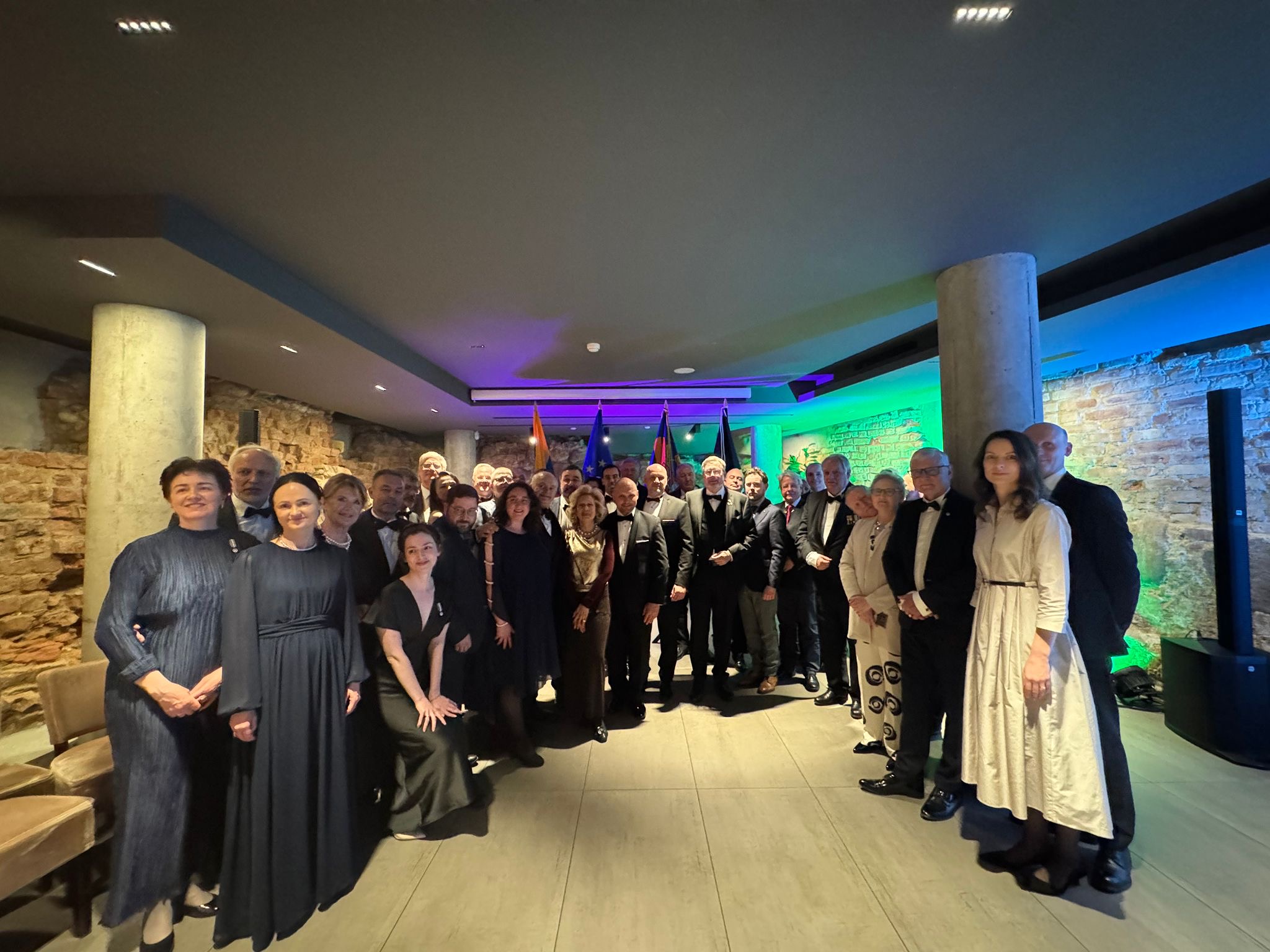
2026-05-23 penktasis tarptautinis armigerių sambūris vyko Nacionaliniame muziejuje
Lietuvos Didžiosios Kunigaikštystės valdovų rūmuose. GHVI nuotr., 2026.
KETVIRTASIS ARMIGERIŲ SAMBŪRIS

2025-11-22 ketvirtasis tarptautinis armigerių sambūris vyko Vilniaus šv. Pranciškaus Asyžiečio bažnyčioje (Bernardinų bažnyčia),
Nacionaliniame muziejuje Lietuvos Didžiosios Kunigaikštystės valdovų rūmuose.
Nuotraukoje pirmoje eilėje iš kairės: Birutė Briedytė, Remigijus Bimba, Rimutė Škudienė, Nerija Taminskienė, dr. Gabrielė Taminskaitė-Kočiūnė, Evaldas Okuličius, Arūnas Šakalinis, Darius Grigaitis. Antroje eilėje iš kairės: Darius Stančikas, Remigijus Pilkis, Kasparas Kesylis, Jurga Eidukevičienė, Artūras Dobrovolskis, dr. Algirdas Taminskas, Mantas Okuličius. Trečioje eilėje: Paulius Vaniuchinas. GHVI nuotr., 2025.
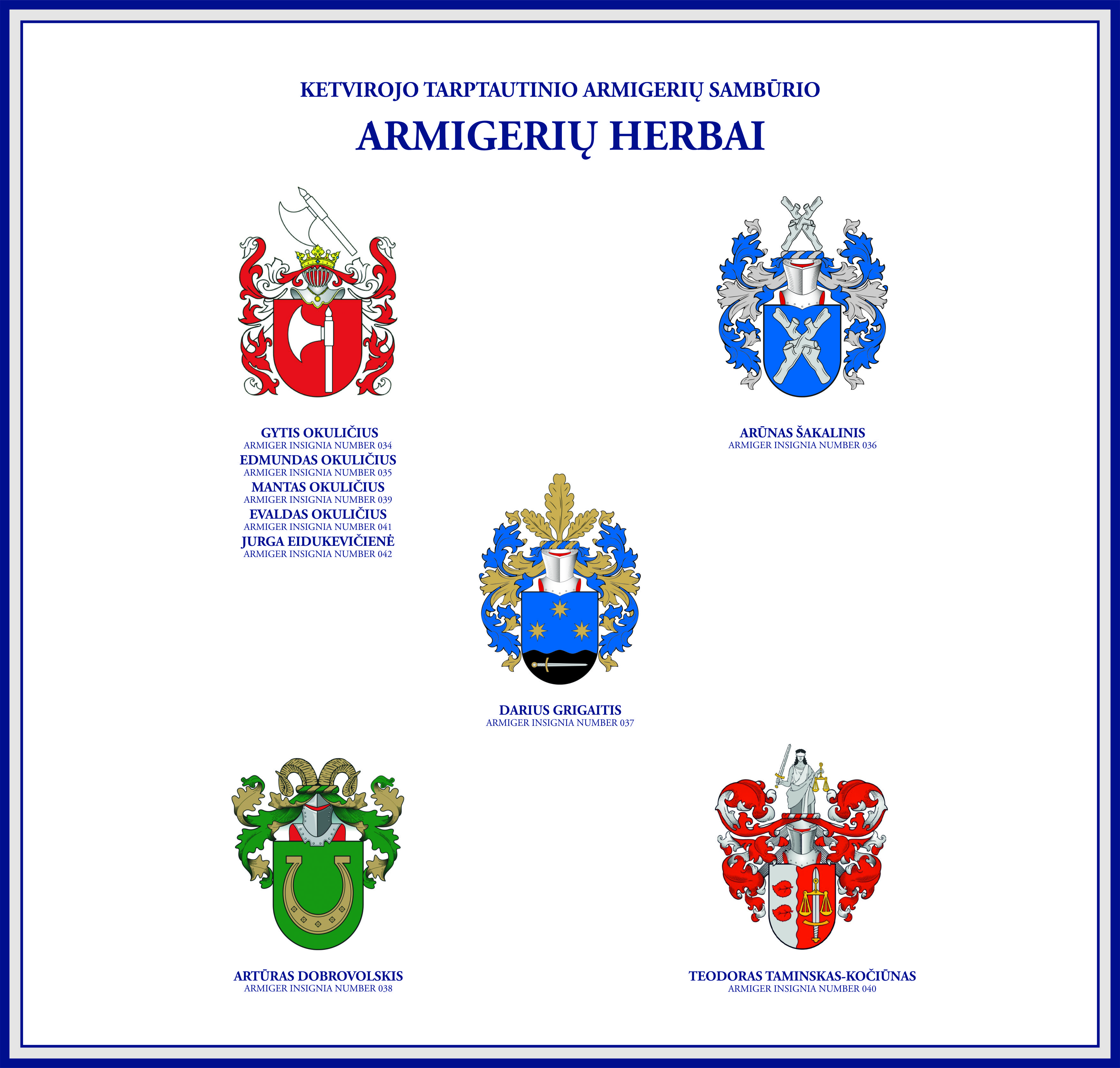
Ketvirtojo tarptautinio armigerių sambūrio armigerių herbai. GHVI nuotr., 2025.
TREČIASIS ARMIGERIŲ SAMBŪRIS
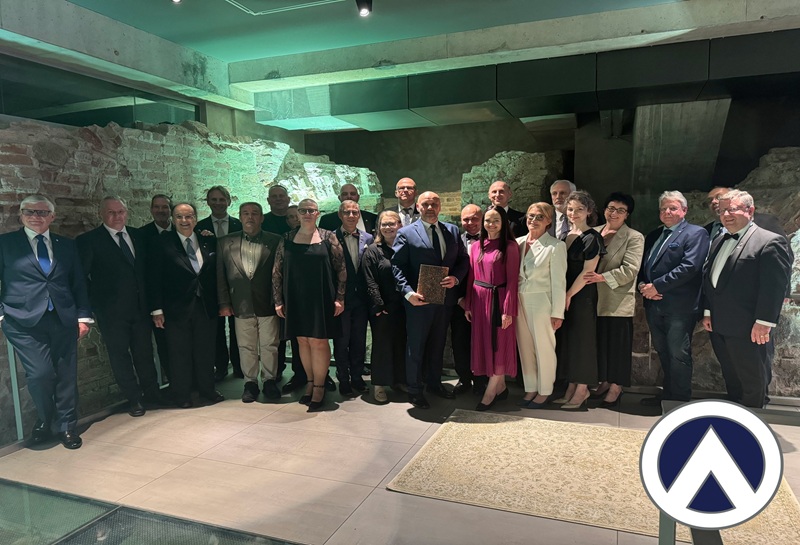
2025-06-05 trečiasis tarptautinis armigerių sambūris vyko Nacionaliniame muziejuje Lietuvos Didžiosios Kunigaikštystės valdovų rūmuose.
Nuotraukoje pirmoje eilėje iš kairės: Vytautas Kvietkauskas, dr. doc. Jan Oskar Engene (Norvegija), Ricardo Charters-d'Azevedo (Portugalija), Darius Stančikas, Birutė Briedytė, dr. Bruce Berry (Pietų Afrika), Greta Žilinskytė, Paulius Vaniuchinas, Remigijus Bimba, dr. Palmira Zemlevičiūtė, Rimutė Škudienė, dr. Gabrielė Taminskaitė-Kočiūnė, Nerija Taminskienė, Wolfgang Brozio (Vokietija), doc. Antonín Staněk (Čekijos Respublika). Antroje eilėje iš kairės: dr. Fabio Cassani Pironti (Vatikanas), Mindaugas Vaičiulis, Rytis Malašauskas, Alexander Liptak (JAV), Michailas Šaltis, Remigijus Pilkis, dr. Algirdas Taminskas, dr. Jovan Jonovski (Makedonija). GHVI nuotr., 2025.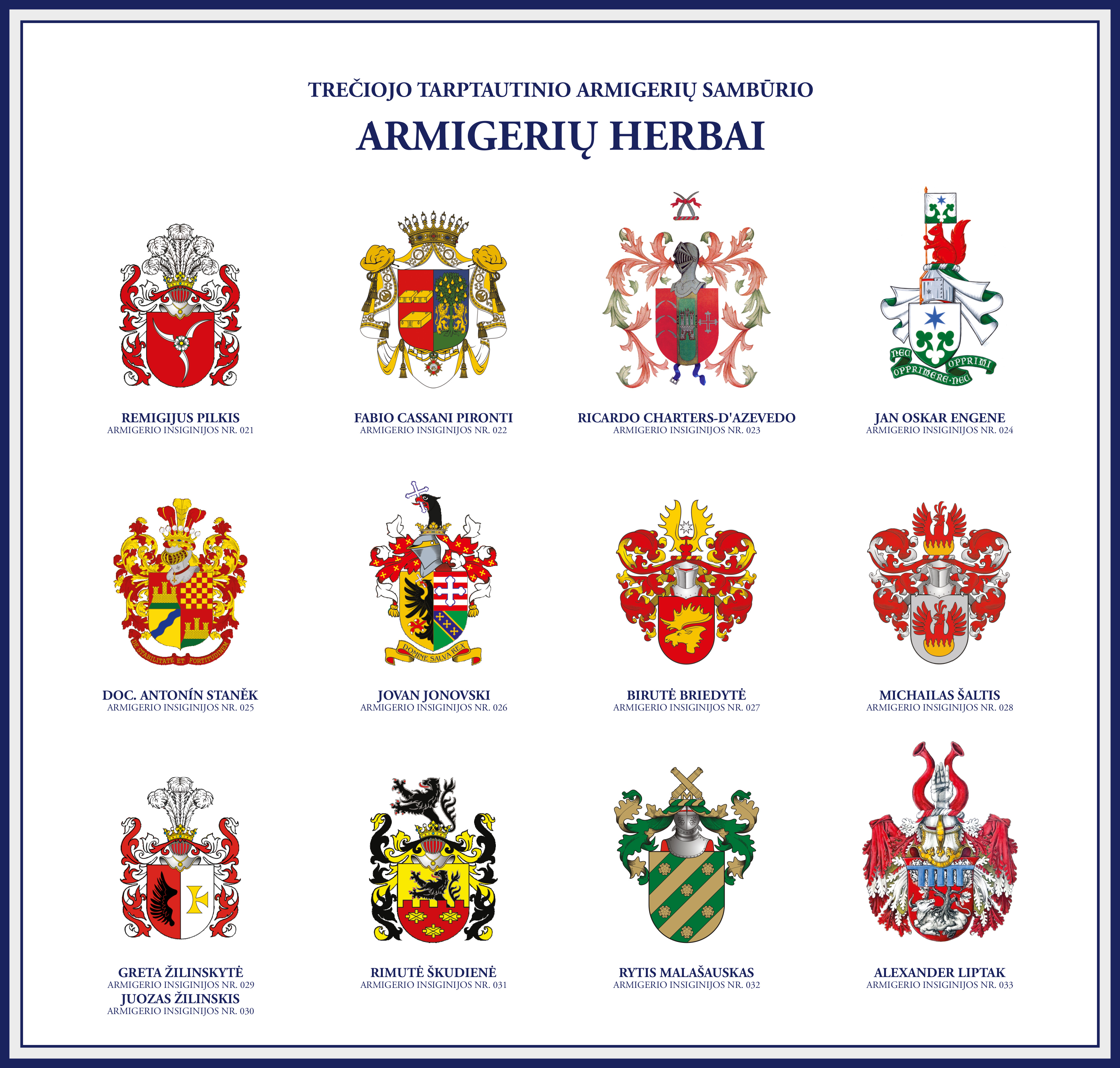
Trečiojo tarptautinio armigerių sambūrio armigerių herbai. GHVI nuotr., 2025.
ANTRASIS ARMIGERIŲ SAMBŪRIS
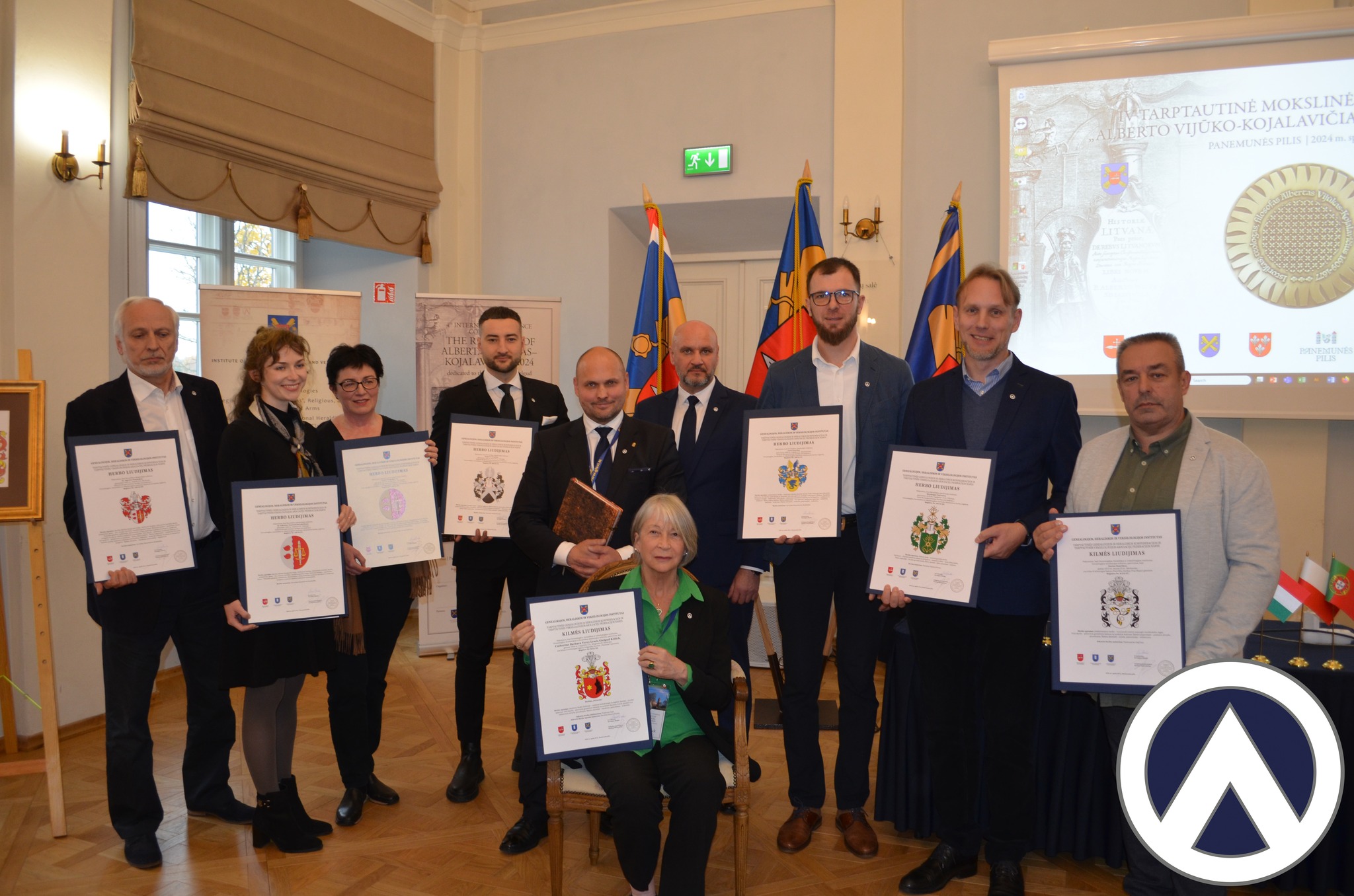
2024-10-26 antrasis tarptautinis armigerių sambūris vyko Panemunės pilyje.
Nuotraukoje iš kairės: dr. Algirdas Taminskas, dr. Gabrielė Taminskaitė-Kočiūnė, Nerija Taminskienė, Kasparas Kesylis, Remigijus Bimba, Paulius Vaniuchinas, Justas Jonelis, Mindaugas Vaičiulis, Darius Stančikas. Pirmoje eilėje sėdi: Catherine Barbara Terry-Lewis Gielgud-Killick. GHVI nuotr., 2024.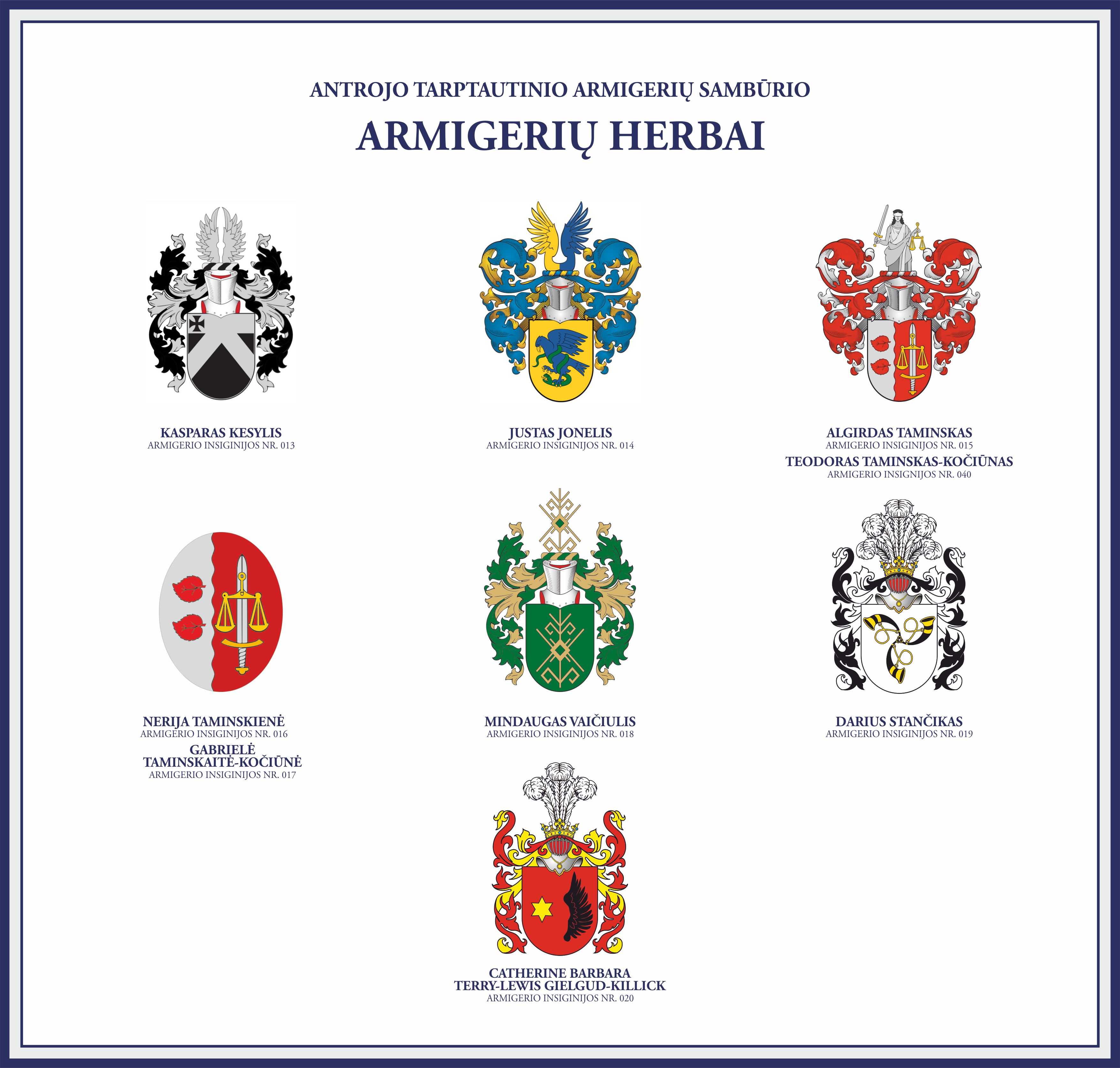
Antrojo tarptautinio armigerių sambūrio armigerių herbai. GHVI nuotr., 2024.
PIRMASIS ARMIGERIŲ SAMBŪRIS
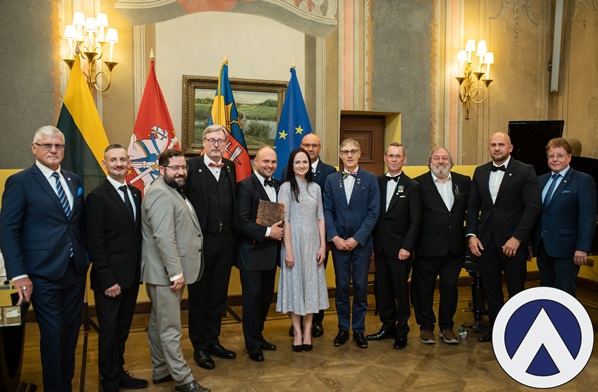 2024-06-08 pirmasis tarptautinis armigerių sambūris – Vilniuje.
Nuotraukoje iš kairės: Vytautas Kvietkauskas, Rytis Petrikas, Andrejʼus Rudanovʼas, Dirkʼas Weisslederʼis, Remigijus Bimba, dr. Palmira Zemlevičiūtė, Paulius Vaniuchinas (antroje eilėje), dr. Bruceʼas Berryʼis, Carl-Thomas von Christiersonʼas, dr. Bruceʼas Durie, Darius Krunglevičius, Wolfgangʼas Brozio. Viktorijos Chorna nuotr., 2024.
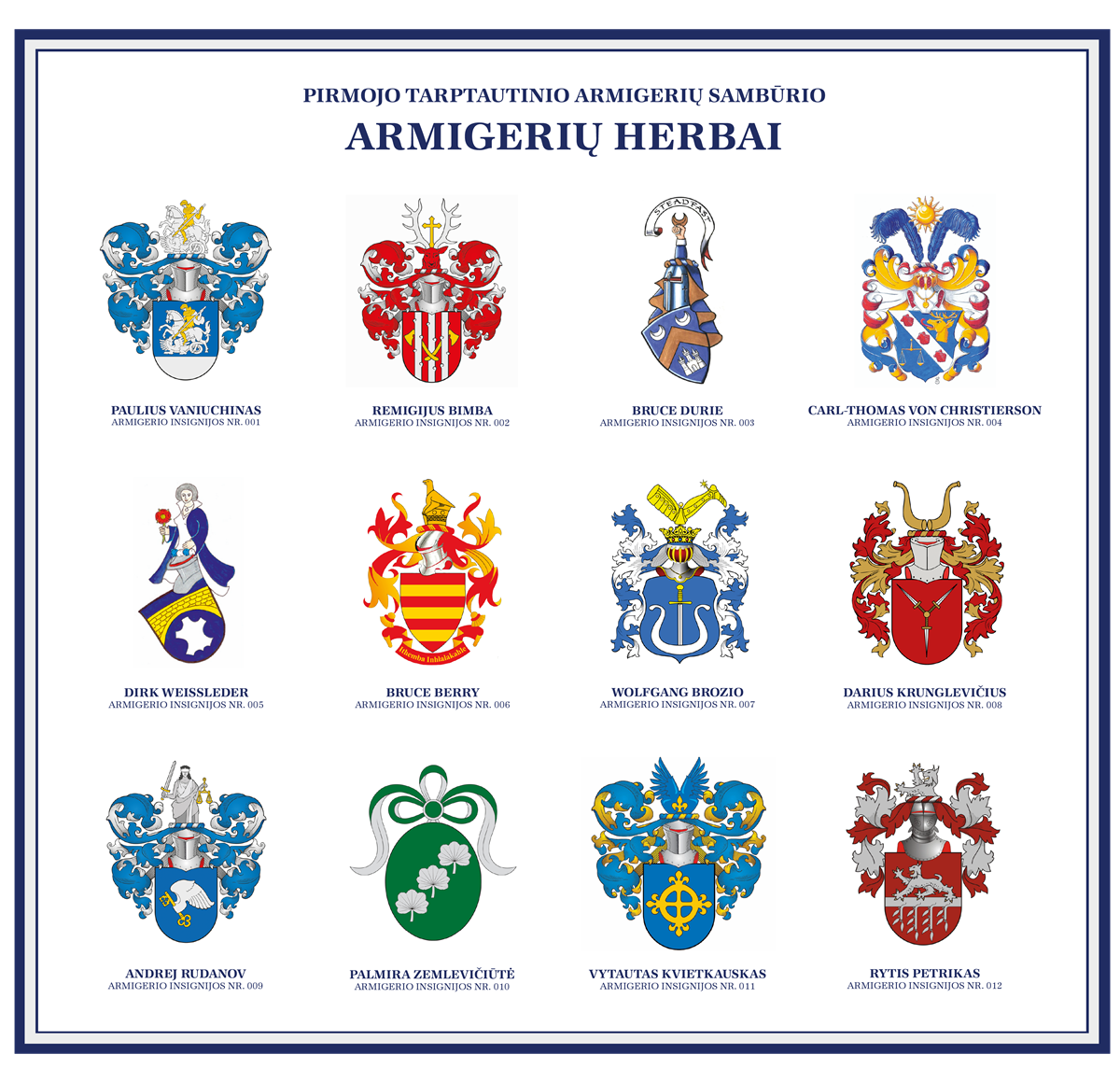
Pirmojo tarptautinio armigerių sambūrio armigerių herbai. GHVI nuotr., 2024.